


Hawaiian Dresses & Shirts Made in Hawaii vs the Imports
The first Aloha shirts and dresses started appearing in Honolulu in the 1930s. Back then, they were made in Hawaii. In recent years, it has been no secret that apparel manufacturing has largely exited the US to overseas sources where labor and other resources are cheap and abundant. If you go to your local department store to buy clothes, chances are they come from China or other parts of Asia or Central America.
Many local Hawaiian shirt and dress manufacturers have largely resisted sourcing their manufacturing overseas, despite the real cost advantages. As a result, Hawaii still has a successful apparel manufacturing base, albeit one that is under increasing foreign pricing pressure.
One reason why many manufacturers continue to make their Hawaiian clothing in Hawaii is, ironically, cost. Overseas manufacturers have higher production minimums for confined prints (designs owned by an apparel label). This means that a local company must purchase up to a couple thousand shirts in a single print at a time. While the per-unit cost may be lower, the cash needed to acquire the products is very high. As a result, quantities go up, but selection goes way down.
On the other hand, by manufacturing locally, companies can make fewer shirts per print, but can make them many more prints per production run. It is a bit like just-in-time manufacturing where manufactures make just enough products just in time for their customers. Making any more would be an inefficient use of capital. The result is that the same amount of money used to import a large quantity of a single shirt can be used to make a huge selection of shirts locally. This gives their buyers, and ultimately consumers, more selection, though at a higher price per unit. For most manufacturers, spreading their risk over many prints is preferable to having a lower cost per unit in a large volume of a single print. If a company invests in a shirt that proves to be unpopular, they will be stuck with thousands of undesirable products worth tens of thousands of dollars.
The other reason why some local manufacturers have resisted committing fully to importing all their products is quality control. Overseas factories are perfectly capable of producing high quality goods. But they are equally capable of producing products that are out of spec or poorly made. It is critically important, therefore, for a company to have a trustworthy person or team of people on site overseas to oversee quality control. And for many small local manufacturers, that is an expense that is not worth the cost or headache.
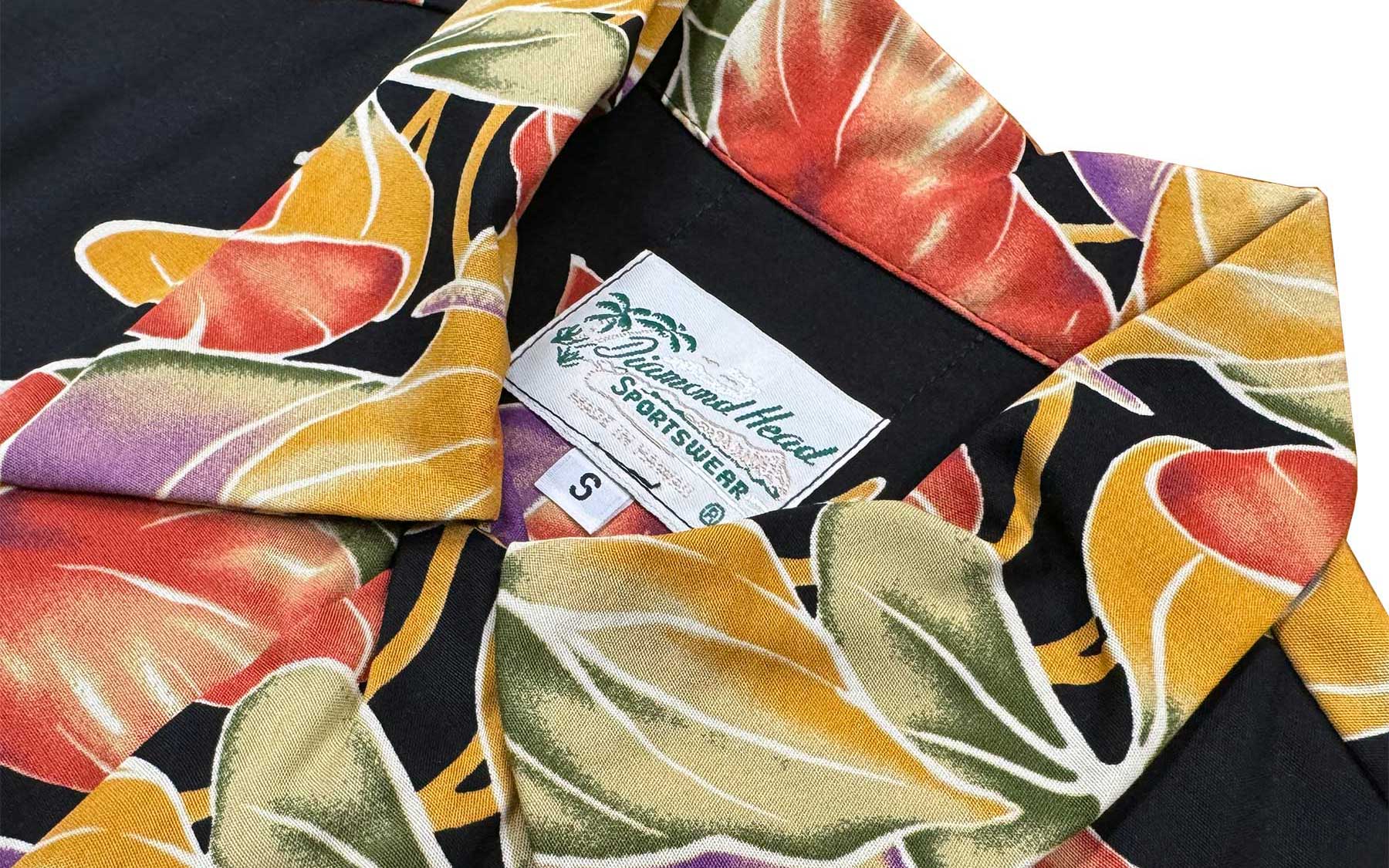
Then of course, there are the psychological reasons for making shirts and dresses in Hawaii. Hawaii is a brand. And Hawaiian shirts and dresses are icons of that brand. There are still many retailers who want to sell "Made in Hawaii" clothing and many consumers who appreciate that their Hawaiian shirts is actually made in Hawaii.
Ultimately, if local garment manufacturers believed they could be more profitable importing their Hawaiian shirts and dresses rather than producing them locally, they would probably do so. The agility afforded by local manufacturing trumps the lower cost overseas manufacturing for now. As a result, consumers are rewarded with a much more vibrant and diverse selection when looking for the perfect Hawaiian shirt or dress. The art of Aloha wear manufacturing is also preserved in Hawaii by the many workers in the industry. "Made in Hawaii" is still a competitive advantage when it comes to Aloha wear. We hope it stays that way for years to come.
Many local Hawaiian shirt and dress manufacturers have largely resisted sourcing their manufacturing overseas, despite the real cost advantages. As a result, Hawaii still has a successful apparel manufacturing base, albeit one that is under increasing foreign pricing pressure.
One reason why many manufacturers continue to make their Hawaiian clothing in Hawaii is, ironically, cost. Overseas manufacturers have higher production minimums for confined prints (designs owned by an apparel label). This means that a local company must purchase up to a couple thousand shirts in a single print at a time. While the per-unit cost may be lower, the cash needed to acquire the products is very high. As a result, quantities go up, but selection goes way down.
On the other hand, by manufacturing locally, companies can make fewer shirts per print, but can make them many more prints per production run. It is a bit like just-in-time manufacturing where manufactures make just enough products just in time for their customers. Making any more would be an inefficient use of capital. The result is that the same amount of money used to import a large quantity of a single shirt can be used to make a huge selection of shirts locally. This gives their buyers, and ultimately consumers, more selection, though at a higher price per unit. For most manufacturers, spreading their risk over many prints is preferable to having a lower cost per unit in a large volume of a single print. If a company invests in a shirt that proves to be unpopular, they will be stuck with thousands of undesirable products worth tens of thousands of dollars.
The other reason why some local manufacturers have resisted committing fully to importing all their products is quality control. Overseas factories are perfectly capable of producing high quality goods. But they are equally capable of producing products that are out of spec or poorly made. It is critically important, therefore, for a company to have a trustworthy person or team of people on site overseas to oversee quality control. And for many small local manufacturers, that is an expense that is not worth the cost or headache.
Then of course, there are the psychological reasons for making shirts and dresses in Hawaii. Hawaii is a brand. And Hawaiian shirts and dresses are icons of that brand. There are still many retailers who want to sell "Made in Hawaii" clothing and many consumers who appreciate that their Hawaiian shirts is actually made in Hawaii.
Ultimately, if local garment manufacturers believed they could be more profitable importing their Hawaiian shirts and dresses rather than producing them locally, they would probably do so. The agility afforded by local manufacturing trumps the lower cost overseas manufacturing for now. As a result, consumers are rewarded with a much more vibrant and diverse selection when looking for the perfect Hawaiian shirt or dress. The art of Aloha wear manufacturing is also preserved in Hawaii by the many workers in the industry. "Made in Hawaii" is still a competitive advantage when it comes to Aloha wear. We hope it stays that way for years to come.